If you own a small business, someone has probably told you that you “need to be on social media.” Maybe a friend, a customer, or a marketing consultant trying to sell you a package. The advice isn’t wrong, but it’s rarely followed by anything useful. Nobody tells you which platform to pick, what to post, or how much time it should realistically take out of your week.
That’s what this guide is for Social media marketing for small business doesn’t have to mean chasing trends, dancing on camera, or posting five times a day. It means showing up consistently, in the right places, with content your actual customers care about. Below, we’ll walk through exactly where to start, how to build a system that doesn’t burn you out, and which tactics genuinely move the needle for small, resource-strapped teams.
Why Social Media Marketing Matters for Small Businesses
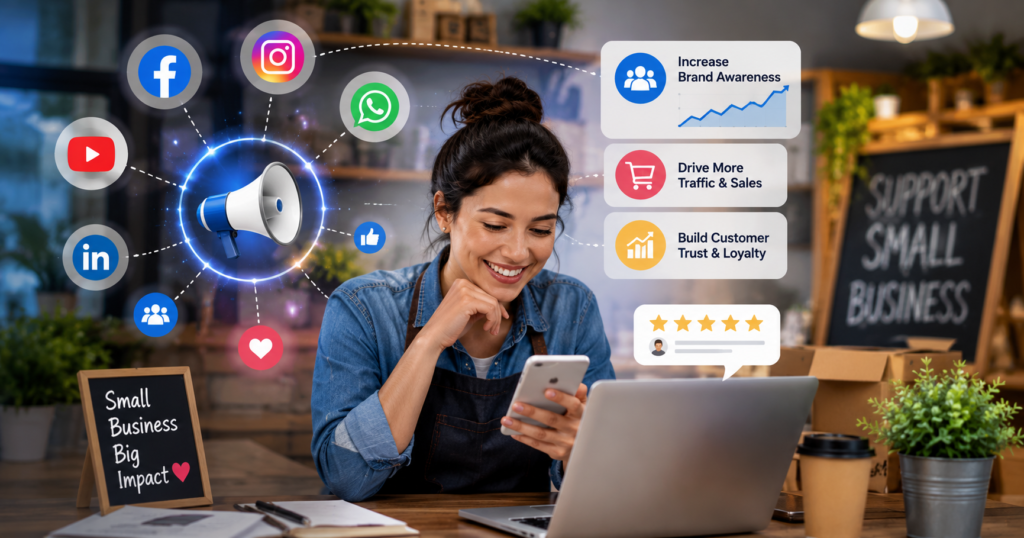
Before diving into tactics, it’s worth understanding why this channel deserves your attention in the first place. Unlike traditional advertising, social media Marketing lets small businesses compete with much larger ones on a relatively level playing field. You don’t need a massive budget to build an audience, you need consistency, relevance, and a willingness to show up as a real business run by real people.
For local businesses especially, social platforms have become a substitute for word-of-mouth. Customers check your page before they check your website. They look at your reviews, your recent posts, and whether you respond to comments. In many cases, your social presence is the first impression a potential customer forms of your business, and that impression shapes whether they trust you enough to buy.
Step 1: Pick One Platform (Not Five)
The biggest mistake small business owners make is trying to be everywhere at once. You open accounts on Instagram, Facebook, TikTok, LinkedIn, and Pinterest, post once on each, and then everything goes quiet within a month. This is worse than not being on social media at all, because an abandoned profile signals neglect.
Instead, choose one primary platform based on where your customers actually spend time:
- Instagram works well for visually driven businesses: restaurants, retail, beauty, home services with a strong before-and-after story.
- Facebook remains strong for local businesses, community-based services, and audiences over 35.
- LinkedIn is the right choice for B2B businesses, consultants, and professional services.
- TikTok suits businesses that can create short, personality-driven video content and want to reach a younger audience.
Master one platform before adding a second. Once you have a repeatable routine that isn’t taking over your week, expand.
Step 2: Understand What Your Audience Actually Wants to See
Good social media content isn’t about promoting your products constantly. It’s about giving people a reason to stop scrolling. Successful small businesses tend to rotate through a mix of content types rather than posting the same kind of update every time.
Types of Content That Perform Well
- Behind-the-scenes posts — how a product is made, a day in the life of your team, or the process behind a service.
- Customer stories and testimonials — real feedback, reviews, or before-and-after results carry more weight than any sales pitch.
- Educational content — tips, how-tos, or answers to common customer questions related to your industry.
- Community and local involvement — sponsorships, events, or collaborations with other local businesses.
- Product or service highlights — but framed around a benefit or a problem solved, not just a listing.
A helpful rule of thumb is the 80/20 split: roughly 80% of your social media content should inform, entertain, or build connection, while only about 20% should directly promote what you sell. This keeps your audience engaged instead of feeling like they’re being sold to on every scroll.
Step 3: Build a Content Routine You Can Actually Sustain
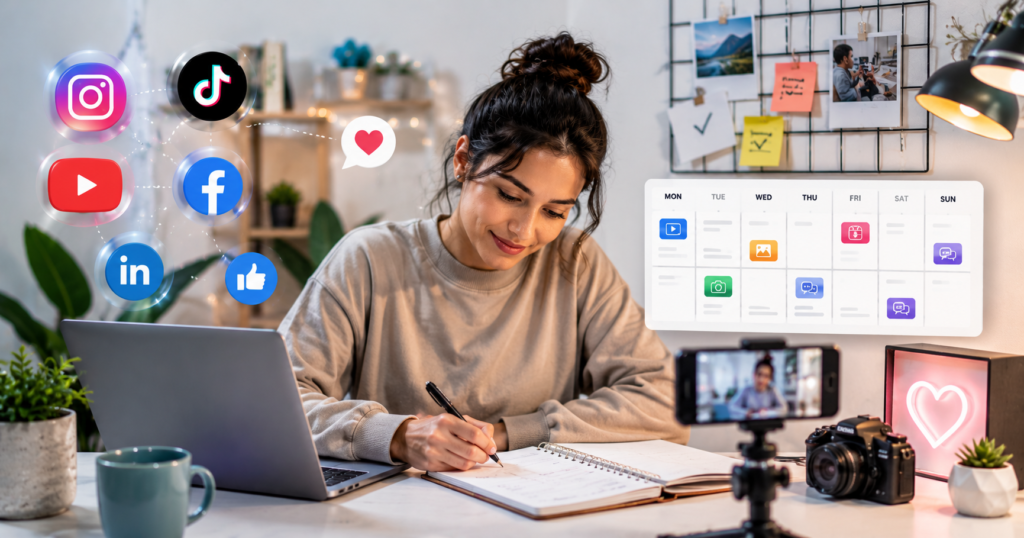
Consistency beats frequency. Posting three times a week for a year will outperform posting daily for two weeks and then disappearing. Before you plan any content calendar, be honest about how much time you can realistically commit each week.
A Simple Weekly Framework
- One planning session (30–45 minutes): decide on 3–5 post ideas for the week based on what’s happening in your business.
- One batch content day: take photos, film short videos, or write captions in one sitting rather than scrambling daily.
- Daily engagement time (10–15 minutes): reply to comments, respond to DMs, and interact with a few other local accounts.
This kind of routine keeps your social media content fresh without requiring hours of daily effort. Many small business owners find that batching content once a week, then scheduling it out using a free tool, frees up far more time than they expected.
Step 4: Use Data, Not Guesswork
You don’t need to be a data analyst to improve your results. Every major platform offers free, built-in analytics that show which posts got the most engagement, when your audience is most active, and how your follower count is trending. Check these numbers monthly, not obsessively, and look for patterns.
If posts featuring your team consistently outperform product photos, do more of that. If a certain time of day gets noticeably better engagement, shift your posting schedule. Small, informed adjustments compound over time and are far more effective than guessing.
What Doesn’t Work (and Wastes Your Time)
It’s just as important to know what to avoid. Many small businesses waste effort on tactics that look productive but rarely deliver results:
- Buying followers — this inflates your numbers but tanks engagement rates and can hurt how the platform’s algorithm treats your account.
- Posting without a goal — content without a purpose (awareness, education, sales, trust-building) tends to blend into the noise.
- Ignoring comments and messages — social media is a two-way channel. Silence after someone reaches out damages trust quickly.
- Copying competitors exactly — what works for another business may not fit your voice or your customers. Authenticity outperforms imitation.
Should You Run Paid Ads Too?
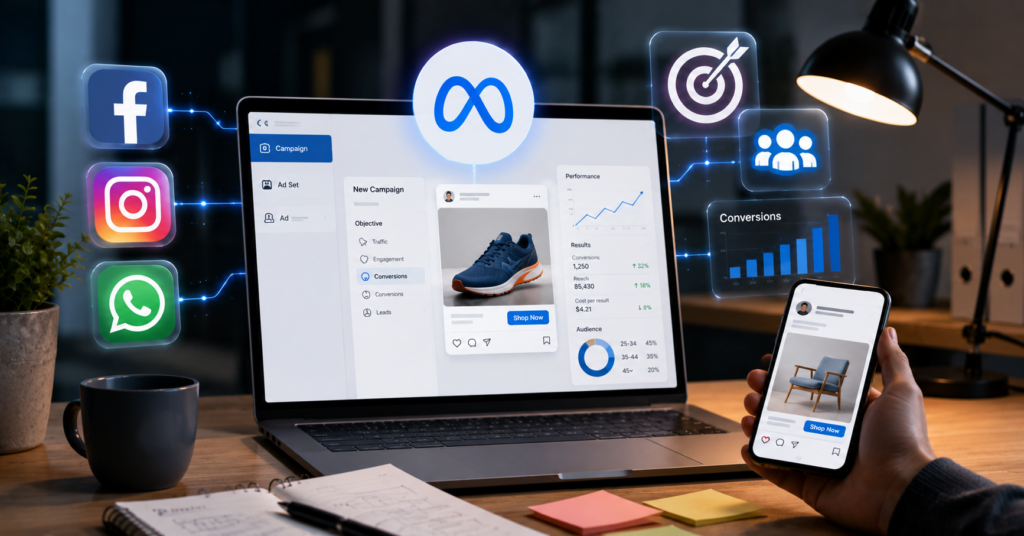
Organic social media marketing builds long-term trust, but a small, targeted ad budget can accelerate results, especially when promoting a specific offer, event, or new product launch. You don’t need a large budget to start. Many small businesses see solid results testing $5–10 a day on a tightly targeted local audience before scaling up what works. Start small, track results closely, and only increase spend once you’ve confirmed a campaign is profitable.
Bringing It All Together
Social media marketing for small business isn’t about mastering every platform or chasing viral trends. It’s about choosing one channel, showing up consistently, and creating social media content that genuinely serves your audience rather than just promoting your business. Start small, track what resonates, and adjust based on real data instead of assumptions.
The businesses that succeed on social media aren’t necessarily the biggest or the most polished. They’re the ones that stay consistent, sound human, and treat their followers like a community rather than a customer list.
Frequently Asked Questions
1. How much time should a small business spend on social media each week? Most small businesses see good results with 3–5 hours per week, covering content planning, creation, posting, and engagement. Batching tasks, like shooting several photos or videos in one session, makes this far more manageable.
2. Which social media platform is best for small businesses? It depends on your audience and industry. Visual, product-based businesses often do well on Instagram, local service businesses tend to perform on Facebook, and B2B or professional services usually see better results on LinkedIn. Choose one platform where your customers already spend time rather than trying to cover all of them.
3. How often should a small business post on social media? Three to five times per week is a solid starting point for most platforms. Consistency matters more than volume, so it’s better to post reliably three times a week than to post daily for a short burst and then go quiet.
4. Do small businesses need to spend money on ads to see results? No, but a small, well-targeted ad budget can speed up results, especially for promotions or launches. Many businesses start seeing traction with just a few dollars a day, provided the targeting and offer are relevant to a specific local audience.
5. What kind of social media content gets the most engagement for small businesses? Behind-the-scenes content, customer testimonials, and educational posts that solve a specific problem tend to perform best. A helpful guideline is keeping about 80% of your content focused on value or connection, and only 20% directly promotional.
6. How do I know if my social media marketing is actually working? Track engagement rate, follower growth, website clicks, and, most importantly, whether social media is driving inquiries or sales. Most platforms provide free analytics dashboards that make it easy to review this monthly and adjust your approach.
This guide was brought to you by Marketing Keen